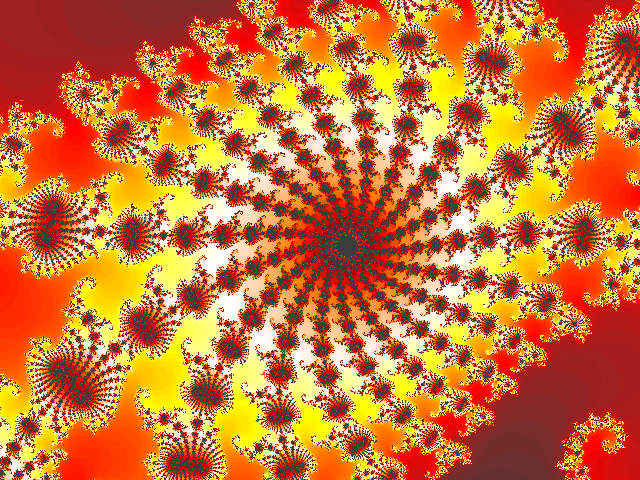
A Gallery of Julia Sets
 ractals are sets which possess self-similarity and detail
on all levels of magnification. Julia sets,
named for the French mathematician Gaston Julia (1893-1978), are
the premier examples of fractals. Julia's work, published in
1918 when he was 25 years old, was essentially forgotten until
the 1980's when computers made possible the visualization of his
creation.
ractals are sets which possess self-similarity and detail
on all levels of magnification. Julia sets,
named for the French mathematician Gaston Julia (1893-1978), are
the premier examples of fractals. Julia's work, published in
1918 when he was 25 years old, was essentially forgotten until
the 1980's when computers made possible the visualization of his
creation.
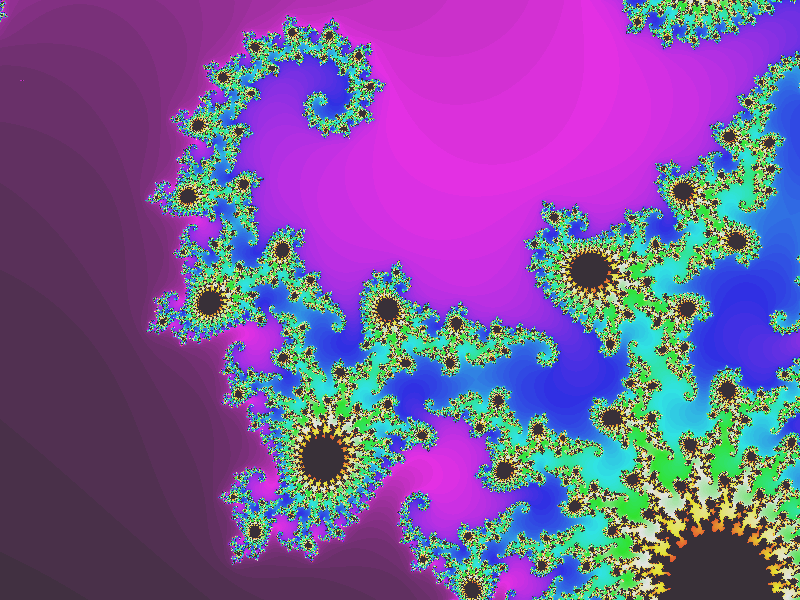
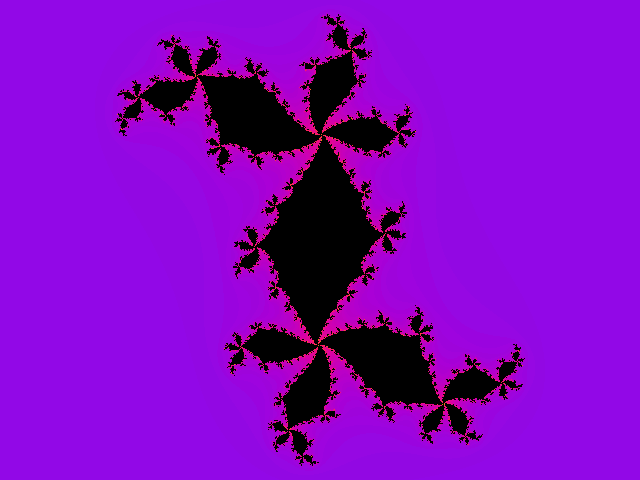
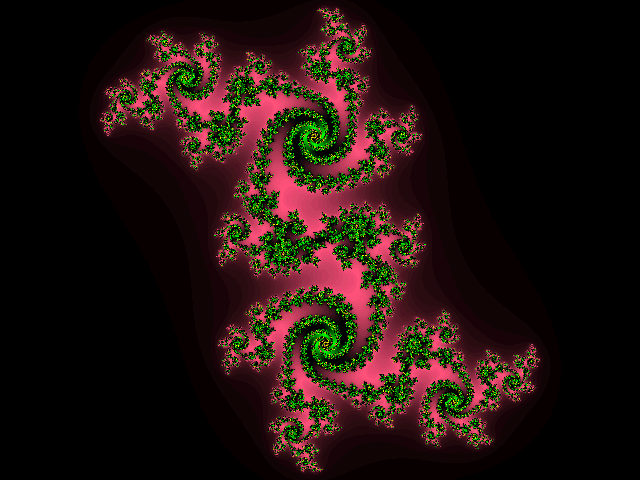
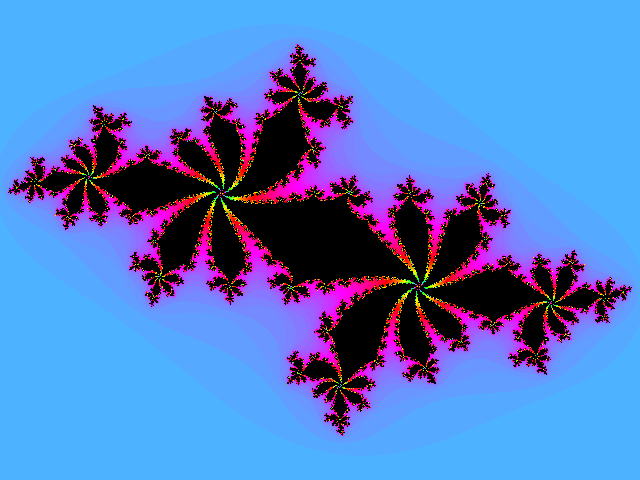
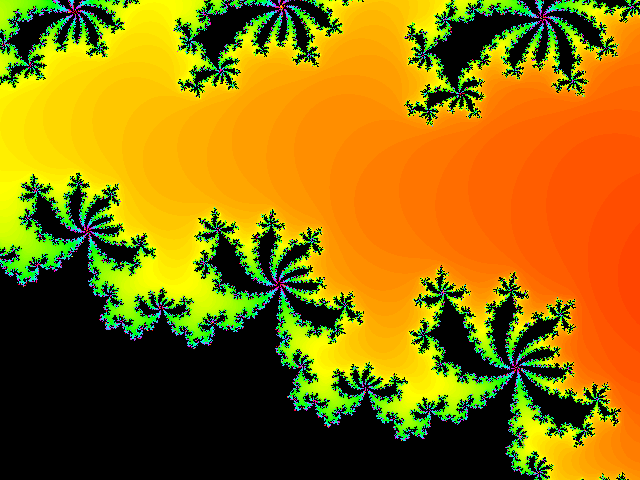
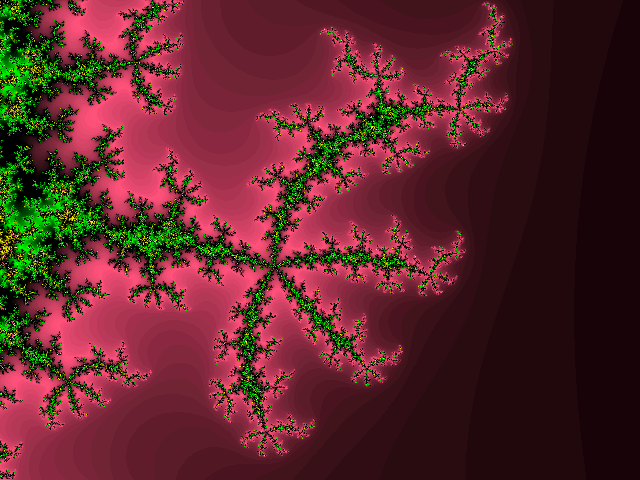
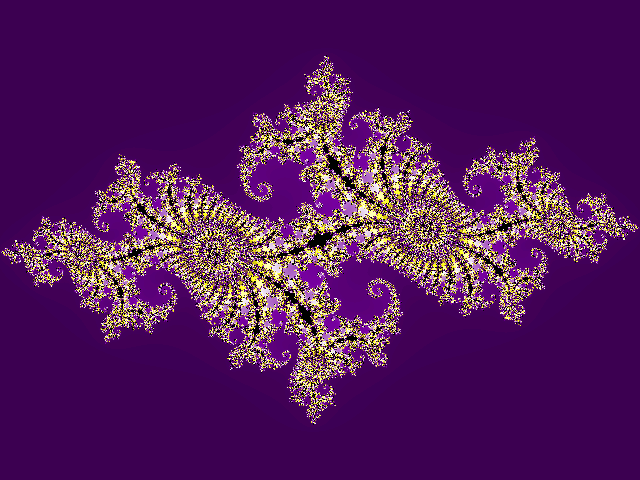
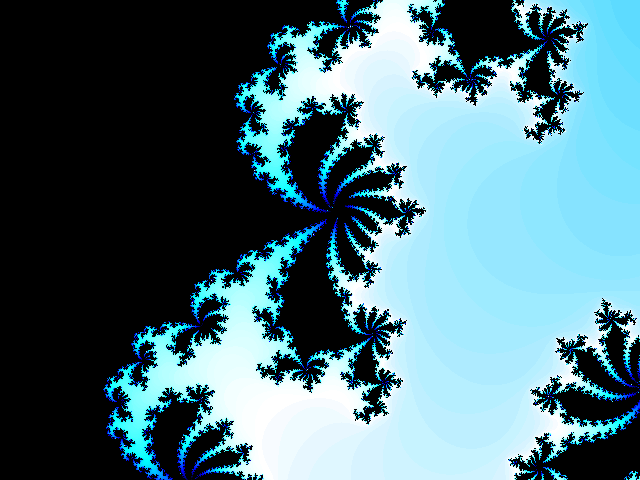
All pictures in the gallery below are Julia sets for functions
of the form f (z) = z2
+ c. Changing the value of c changes the nature
of the Julia set dramatically. Changing the color palette used
to paint the area surrounding the Julia set also leads to significant
differences in the final appearance.
The Julia sets shown in the thumbnails below are some of my personal favorites.
If you find one that you like, click on the thumbnail to enlarge it.
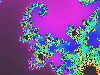 f (z) = z2 - .74173 + .15518i (195K)
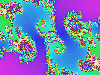 f (z) = z2 - .74543 + .11301i (484K)
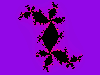 f (z) = z2 + .29812 + .52923i (35K)
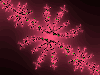 f (z) = z2 - .55947 + .64196i (105K)
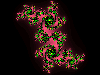 f (z) = z2 + .23300 + .53780i (104K)
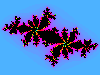 f (z) = z2 - .62772 + .42193i (47K)
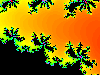 f (z) = z2 - .62772 + .44072i (79K)
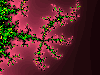 f (z) = z2 + .41453 + .34364i (144K)
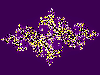 f (z) = z2 - .74434 - .10772i (121K)
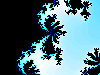 f (z) = z2 - .67319 + .34442i (62K)
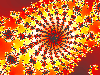 f (z) = z2 + .03515 - .07467i (254K)
Return to Carl Spitznagel's home page